Risk Management, Stop-Loss Strategy, and Position Sizing Explained for Beginners
High-demand market conditions can be difficult to handle, especially for beginners. Prices move very fast, volatility increases, and emotional pressure becomes intense. Many new traders lose money during these periods—not because they lack intelligence, but because they don’t understand how traders survive high-demand market conditions.
This educational blog explains, in very simple language, how traders focus on risk management in volatile markets, how stop-loss works, and why position sizing matters.
This content is for educational purposes only. It does not provide trading signals, financial advice, or profit guarantees.
What Are High-Demand Market Conditions?
High-demand market conditions occur when many buyers and sellers enter the market at the same time. This increased activity leads to sharp and fast price movements, also known as high volatility.
Common causes of high-demand markets:
- Major economic news (interest rates, inflation reports)
- Company earnings announcements
- Sudden political or global events
- Market crashes or rapid rallies
- Strong social media influence on trading behavior
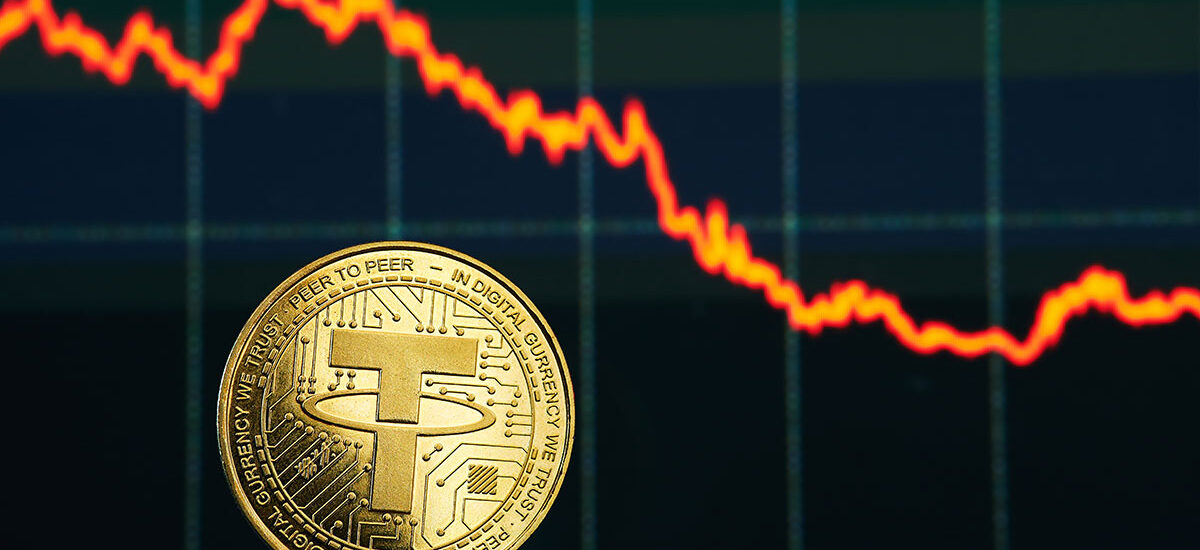
During such periods, prices can rise or fall within minutes. Understanding trading during high volatility is essential for survival.
Real Market Example
During the COVID-19 market crash in 2020, markets around the world experienced extreme volatility. Traders who focused on capital protection survived longer than those who traded emotionally without a plan.
Why Survival Matters More Than Profits in Volatile Markets
Beginners often believe that fast markets mean fast money. In reality, fast markets usually mean higher risk.
Professional traders understand that:
- Losses are part of trading
- Capital protection comes first
- Long-term survival is more important than short-term gains
This is why experienced traders rely on risk management, stop-loss discipline, and position sizing instead of predictions.
For a deeper understanding of these principles, beginners can study:
risk management guide.
Risk Management in Volatile and High-Demand Markets
What Is Risk Management? (Simple Explanation)
Risk management means deciding in advance how much money you are willing to lose on a trade.
It does not prevent losses, but it limits how damaging a loss can be. This is the foundation of beginner trading risk management.
Why Risk Management Is Critical in High-Demand Markets
In volatile markets:
- Prices change quickly
- News can reverse trends instantly
- Emotional reactions increase
Without risk management, traders may panic and hold losing trades for too long.
Real Market Example
During sudden market sell-offs, traders without risk limits often lose a large portion of their capital. Traders with strict risk management exit early and preserve their accounts.
To learn this topic step by step, beginners can explore:
risk management basics for traders.
Stop-Loss Strategy for Beginners in High-Volatility Markets
What Is a Stop-Loss?
A stop-loss is a predefined price level where a trade automatically closes to limit losses.
In simple terms:
“If the price reaches this level, I exit and accept the loss.”
A stop-loss removes emotional decision-making when markets move quickly.
Why Stop-Loss Is Essential During High-Demand Market Conditions
High-demand markets increase volatility. Without a stop-loss:
- Losses can grow very fast
- Traders may freeze due to fear
- Small losses can turn into large ones
Simple Example
You buy a stock at $100.
You decide that you can accept a maximum loss of $5.
Your stop-loss is placed at $95.
If unexpected news pushes the price down, the trade closes automatically.
For educational learning only, beginners can read:
stop-loss order explained by Investopedia
CME Group market education
Position Sizing for Traders During High-Demand Market Conditions
What Is Position Sizing?
Position sizing means deciding how much capital to use in a single trade.
Many beginners focus on what to trade.
Experienced traders focus on how much to trade.
Why Position Sizing Matters in Volatile Markets
Large position sizes increase:
- Emotional pressure
- Risk exposure
- Chance of large losses
Smaller positions help traders stay calm and disciplined.
Simple Analogy
Holding a small glass of water is easy.
Running with a full bucket is risky.
Position size works the same way in trading.
Beginner Example
- Trader A risks a small portion of capital per trade
- Trader B risks a large portion on one trade
If the market moves suddenly:
- Trader A survives
- Trader B may lose the ability to continue trading
To understand this concept clearly, beginners can read:
position sizing for beginners.
How Risk Management, Stop-Loss, and Position Sizing Work Together
These three elements form a complete survival system:
- Risk management defines how much you can lose
- Stop-loss defines where you exit
- Position sizing defines how big your trade is
If one part is missing, risk increases significantly.
Real Market Situation
During interest rate announcements, prices often spike and reverse quickly. Traders who survive usually:
- Trade smaller sizes
- Set stop-loss before entering
- Accept losses without emotional reactions
Common Beginner Mistakes in High-Demand Market Conditions
1. Trading With Oversized Positions
Beginners often increase trade size during excitement.
2. Removing Stop-Loss Orders
Hope replaces discipline when price moves against them.
3. Overtrading During Volatility
Fast markets create the urge to trade repeatedly.
4. Emotional Trading Decisions
Fear and greed dominate planning.
5. Ignoring Capital Protection
Focusing only on profits instead of losses.
Avoiding these mistakes improves long-term survival.
Learning From Real Market Events
- 2008 Financial Crisis: Capital preservation helped traders survive
- 2020 Pandemic Volatility: Risk control mattered more than prediction
- Crypto Market Cycles: Sharp rises and falls highlighted stop-loss importance
Educational resources are available at:
Federal Reserve market education
IMF financial market explainers
Building a Survival-First Trading Mindset
Understanding how traders survive high-demand market conditions requires patience and discipline.
Successful traders:
- Accept losses as part of learning
- Focus on consistency
- Prioritize long-term survival
This mindset is explained in detail here:
trading psychology for beginners.
Stay Connected and Keep Learning
Markets constantly change, and education is ongoing. We share beginner-friendly trading education, risk awareness, and market insights to help traders improve understanding and discipline.
Join our learning community here:
( Facebook Page Link)
Key Takeaways
- High-demand markets increase volatility and risk
- Survival is more important than short-term gains
- Risk management protects trading capital
- Stop-loss limits losses during fast markets
- Position sizing controls emotional pressure
- Beginners fail more due to emotions than lack of knowledge
- Education and discipline improve long-term outcomes
Risk Disclaimer
Trading and investing involve risk, and losses may occur. This article is for educational purposes only and does not provide financial advice, trading signals, or profit guarantees. Always conduct your own research and understand your risk tolerance before participating in financial markets.