In today’s digital world, trading has become one of the most talked-about ways of making money online. Social media is full of screenshots showing huge profits, luxury lifestyles, and claims like “Earn daily without a job”.
But the real question is: What is trading actually, and what expectations should a beginner have?
In this blog, we will clearly explain what trading is, what realistic expectations look like, and how beginners should approach trading professionally. This guide is created for learners who want to grow step-by-step with Afolks Digital Academy and avoid common mistakes.
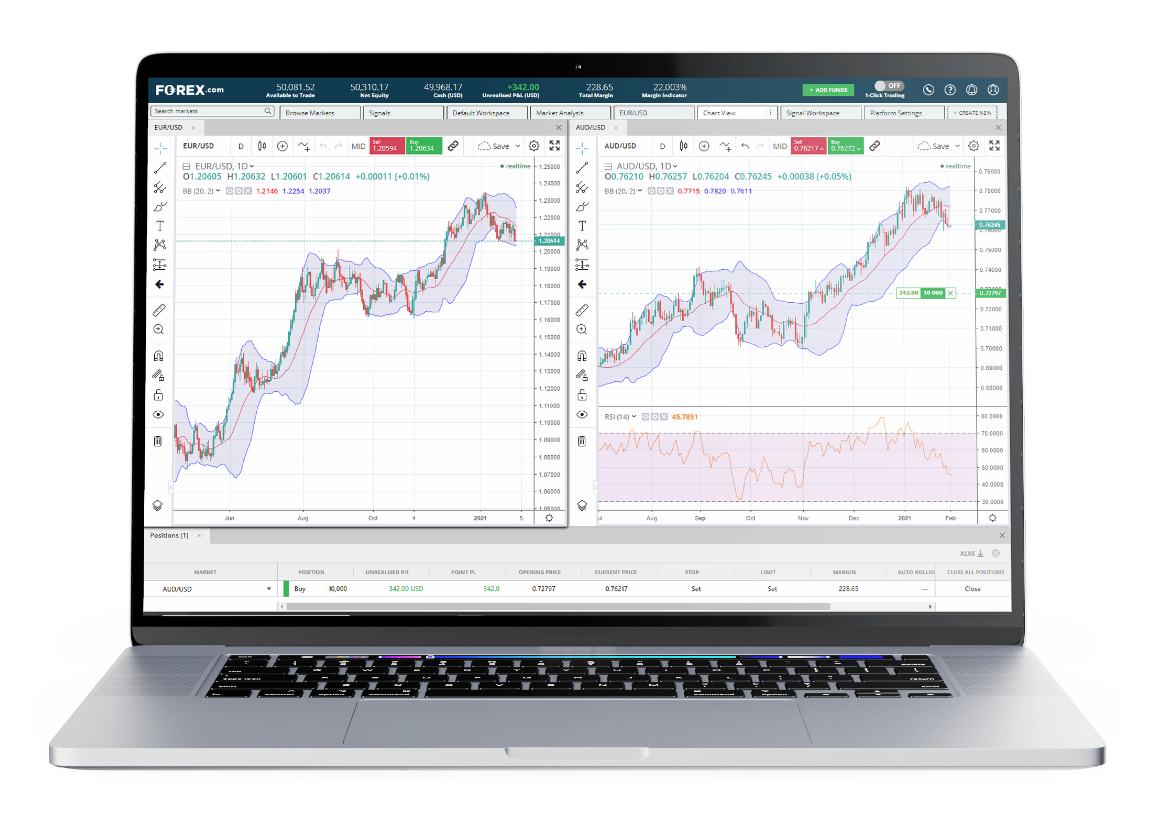
What Is Trading?
Trading is the process of buying and selling financial assets to make a profit from price movements. These assets can include:
- Stocks (Shares)
- Forex (Currency pairs)
- Cryptocurrencies
- Commodities like gold and oil
A trader tries to buy an asset at a lower price and sell it at a higher price — or sell first and buy later when the price falls (short selling).
👉 Important to understand:
Trading is not gambling. It is a skill-based activity that requires knowledge, discipline, risk management, and emotional control.
Trading vs Investing – Know the Difference
Many beginners confuse trading with investing, but both are very different approaches.
Investing
- Long-term (months or years)
- Focus on strong companies or assets
- Less frequent buying and selling
Trading
- Short-term (minutes, days, or weeks)
- Focus on price movements
- Requires active decision-making
At Afolks Digital Acedamy, beginners are guided to first understand market basics before choosing whether trading or investing suits them better.
Why Realistic Expectations Matter in Trading
Most beginners fail in trading not because trading doesn’t work, but because their expectations are unrealistic.
❌ “I will quit my job in one month”
❌ “Trading gives fixed daily income”
❌ “Professional traders never lose”
These beliefs are dangerous.
Realistic Expectations You Should Have
✔ Losses are a normal part of trading
✔ Consistent profits take time
✔ Small capital means small returns
✔ Learning can take months or even years
Professional traders focus on long-term consistency, not overnight success.
The Real Trading Journey for Beginners
1️⃣ Learning Phase (0–3 Months)
This phase is about building your foundation:
- Understanding how markets work
- Learning chart basics
- Knowing technical indicators
- Practicing on demo accounts
This is where Afolks Digital Academy helps learners build strong fundamentals instead of chasing shortcuts.
2️⃣ Practice Phase (3–6 Months)
Now you start applying knowledge:
- Trade with small capital
- Follow proper risk management
- Maintain a trading journal
- Control emotions like fear and greed
Most people quit here, but successful traders are made in this phase.
3️⃣ Consistency Phase (6–12 Months)
At this stage, a trader:
- Follows one clear strategy
- Avoids over-trading
- Focuses on monthly growth instead of daily profits
👉 Remember: Consistency matters more than big wins.
Why Do Traders Lose Money?
Losses are normal, but repeated losses usually happen because of:
- Trading without a plan
- Overconfidence after a few wins
- No stop-loss
- Emotional trading
- Following fake gurus blindly
That’s why Afolks Digital Academy always promotes education before earnings.
Risk Management – The Backbone of Trading
Without risk management, even the best strategy will fail.
Basic risk management rules:
- Risk only 1–2% per trade
- Always use a stop-loss
- Protect capital first, profits come later
Professional traders focus on survival in the market, not just profits.
Trading Psychology – The Hidden Key
Charts and indicators are only 20% of trading.
Mindset and psychology are 80%.
Common psychological mistakes:
- Fear of losing
- Greed after profits
- Revenge trading
- Over-trading
If you learn to control your emotions, your trading performance automatically improves.
Best Tool for Chart Analysis – TradingView
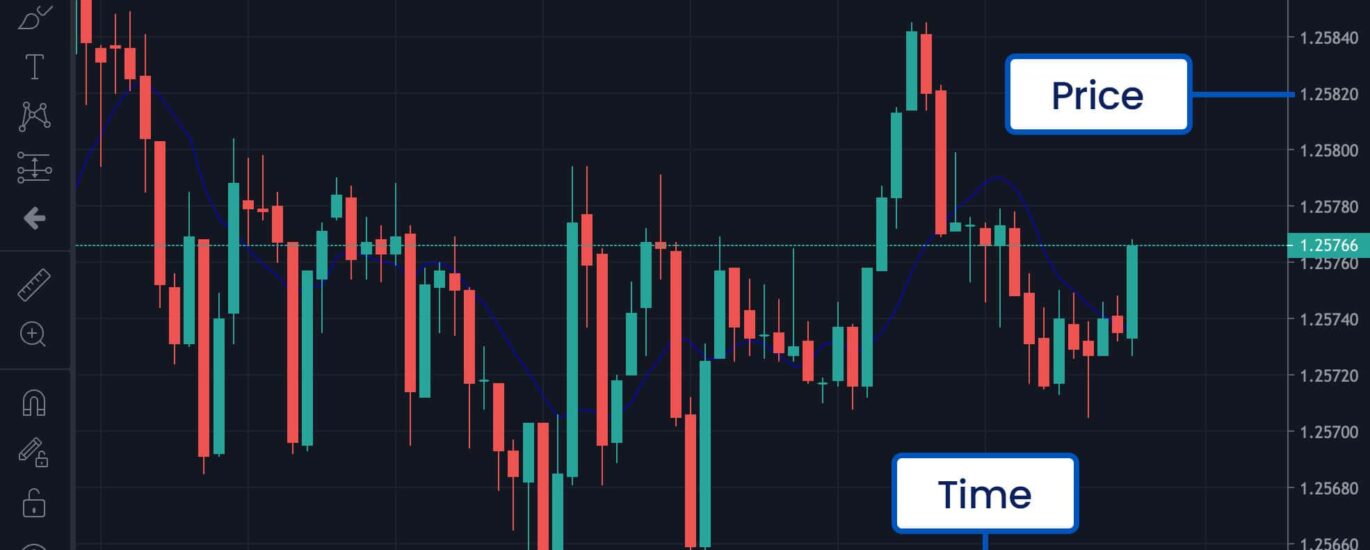
One of the most popular platforms for technical analysis is TradingView.
With TradingView, traders can:
- Analyze live charts
- Use advanced indicators
- Practice strategies on different markets
👉 on TradingView users can directly practice chart analysis.
Avoid Fake Promises in Trading
Many people online:
- Claim 100% win rates
- Sell paid signals
- Show luxury lifestyles to sell courses
The truth is:
❌ 100% accuracy does not exist
✔ Real traders accept losses
✔ Slow growth is sustainable growth
The mission of Afolks Digital Academy is to spread honest and realistic trading education.
Who Should Consider Trading?
Trading is suitable for people who:
- Have patience
- Are willing to learn continuously
- Can follow rules
- Want to build discipline
If your goal is quick money, trading will most likely disappoint you.
Final Advice for Beginners
✔ Start small
✔ Invest in knowledge first
✔ Learn from losses
✔ Stay consistent
✔ Join a learning community
If you want to take trading seriously, Afolks Digital Academy can be your long-term learning partner.
Join Our Trading Community
Trading alone is difficult. Learning with a community makes the journey easier and more practical.
👉 Follow our Facebook page “Afolks Digital Accadamy”
Conclusion
Trading is not a shortcut to wealth.
It is a professional skill that rewards those who stay patient, disciplined, and realistic.
With the right mindset, proper education, and platforms like Afolks Digital Academy, trading can become a powerful long-term skill.